Why Invisalign for Adults Is More Popular Than Ever
@invisalignadultsscottishfinder
October 29, 2026 · 7 min read
Orthodontic treatment used to be something you did as a teenager and forgot about. Metal braces, headgear, the whole school-photo ordeal. But the reality is that adult teeth move just as much as adolescent ones, and sometimes more because we have decades of wear, clenching, and subtle shifting behind us. I have seen patients in their thirties, forties, and even sixties who assumed they were stuck with crooked teeth because they missed the "right" window. That assumption is wrong, and the rise of clear aligner systems has changed the conversation entirely.
When I talk about clear aligners with adult patients, the first question is almost always about visibility. Nobody wants to walk into a board meeting or a wedding with a mouth full of metal. That is where Invisalign comes in. The trays are transparent, they fit snugly over the teeth, and most people do not notice you are wearing them unless you point it out. But the real draw goes beyond appearance. The treatment itself tends to be faster for adults than traditional braces were, and it requires fewer emergency visits for broken brackets or poking wires. That matters when your schedule is already packed.
I have worked with enough adults to know that the main barrier is not pain or cost. It is the fear that orthodontics is somehow not meant for grown-ups. That could not be further from the truth. Teeth continue to drift throughout life, especially the lower front teeth, which crowd gradually as we age. If you had braces as a teen and stopped wearing your retainer, you have probably watched your smile shift back toward its original position. That is normal. And it is fixable at any age.
What Makes Adult Treatment Different
Adult orthodontics is not just child orthodontics with older patients. The biology is different. Adult bone is denser and remodels more slowly, which means teeth move at a slightly different pace. That does not make treatment harder, it just means the approach has to be more measured. An experienced orthodontist will account for that when planning the sequence of aligners and the force each tray applies.
Another difference is that adults often have other dental work already in place. Crowns, bridges, veneers, implants, root canals. Each of these can affect how the teeth respond to pressure. A good clinician will check the health of every tooth before starting, and may coordinate with your general dentist to make sure nothing is compromised. That is not a reason to avoid treatment, it is just a reason to choose someone who understands the full picture.
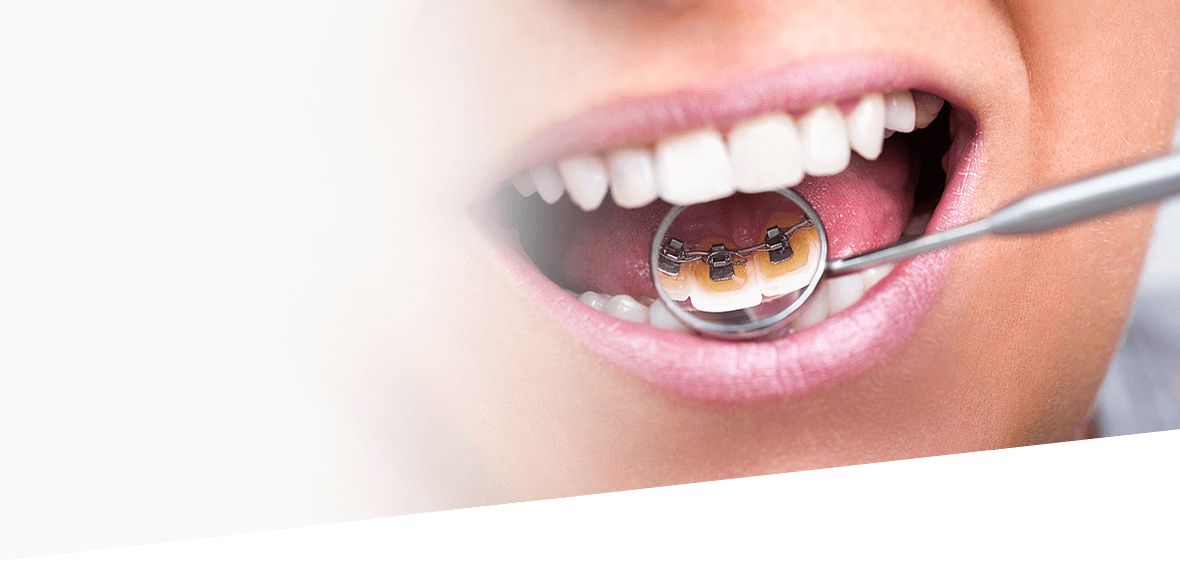
Gum health is also a bigger factor in adults. Recession, bone loss, and periodontal issues are more common after thirty. Moving teeth into bone that is already compromised can cause problems if it is not managed carefully. But when the periodontium is healthy, or when issues are addressed beforehand, adult treatment is entirely safe. In fact, straightening crowded teeth can improve gum health by making it easier to clean between them.
Invisalign Specifically for Adults
The Invisalign system uses a series of custom-made aligners, each worn for about one to two weeks, before switching to the next tray in the sequence. There are no brackets, no wires, no tightening appointments. You pick up several sets of aligners at once, swap them yourself at home, and check in with the orthodontist every six to eight weeks. That schedule alone is a huge advantage for anyone who works full time or has family commitments.
For adults who are self-conscious about their smile, the clear trays reduce the social friction of treatment. You can speak normally, smile naturally, and eat without food getting trapped in hardware the way it does with braces. There are some dietary restrictions, you still want to avoid hard or sticky foods that could damage the aligners, but the list is shorter than the old brace diet.
One thing I always tell prospective patients is that Invisalign is not magic. It will straighten your teeth, but it requires discipline. You have to wear the aligners for twenty to twenty-two hours per day. If you take them out for long stretches, the teeth start to drift back, and you lose progress. Adults are generally better at this than teenagers because they have more invested in the outcome. But I have seen plenty of adults struggle with compliance too. It is worth being honest about your own habits before you start.
The Aesthetic and Practical Payoff
The biggest win for most adults is the confidence that comes after treatment. A straighter smile changes how you hold yourself in conversation, how you pose for photos, how you feel about your face. That sounds like a marketing line, but I have watched it happen enough times to know it is real. People who used to cover their mouth when they laughed stop doing that. That alone is worth the investment.
Practically, straight teeth are easier to keep clean. Crowded teeth create tight spaces where floss cannot reach and where plaque accumulates. Over time, that leads to decay and gum disease. By aligning the teeth, you reduce those hidden trouble spots. It is preventive care that also happens to look good.
Retention is critical after any orthodontic treatment, but especially for adults. Once the aligners are done, you will need a retainer, usually a thin wire bonded behind the front teeth, or a clear plastic tray worn at night. Without it, your teeth will drift. That is not a flaw in the treatment, it is just how biology works. Teeth want to return to their original position. A retainer holds them in place, and you wear it indefinitely. Most people find the night-time retainer easy to manage after the first few weeks.
Is It Worth It for You?
I cannot answer that question without knowing your specific case. But I can say that if you have been thinking about straightening your teeth for years and keep putting it off, you are not alone. Most adults I treat tell me they wish they had done it sooner. The regret is almost never about the treatment itself. It is about the years they spent feeling self-conscious or avoiding the dentist because they did not want to hear the lecture about their crooked teeth.
If you are in Scotland and considering this, the phrase invisalign for adults Scottish Orthodontics comes up often in conversations I have with colleagues. It reflects a growing demand for adult-focused care that does not treat grown patients like oversized children. The approach is different, the communication is different, and the expectations are set clearly from the first consultation.
I have seen patients complete Invisalign treatment in as little as six months for minor crowding, and up to eighteen months for more complex cases. The variation depends on how much movement is needed and how consistently the aligners are worn. A good orthodontist will give you a realistic estimate after examining your teeth and taking digital scans.
Common Questions Adults Ask
Does it hurt? There is pressure when you switch to a new aligner, usually lasting a day or two. After that, it fades. Most adults compare it to the feeling of tightness after flossing thoroughly, not to the soreness of braces tightening.
Can I eat normally? You remove the aligners to eat, so yes, you can eat anything. Just brush and floss before putting them back in. That is the non-negotiable rule.
Will it affect my speech? For the first day or two, you might lisp slightly. Your tongue adjusts quickly. Most people sound normal by day three.
Do I need a referral? No. You can book a consultation directly with an orthodontic practice that offers Invisalign. They will assess your teeth and discuss whether you are a candidate.

Final Thoughts
Orthodontics for adults is not a niche anymore. It is a standard part of dental care, and Invisalign has made it accessible to people who would never have considered braces. If you are past your twenties and unhappy with your smile, you have options. The key is finding a provider who understands adult treatment, who will be honest about what is possible, and who works with your schedule rather than against it.
I have referred patients to practices that specialise in adult care, and the feedback is consistently positive. The phrase invisalign for adults Scottish Orthodontics reflects exactly that kind of focused service. It is not about selling a product. It is about matching the right treatment to the right patient at the right time in their life.
If you are ready to explore it, start with a consultation. Ask questions. Look at before-and-after photos of adult patients, not teenagers. And if the orthodontist tells you that you are too old, find another one. You are not.
 Facebook
 Instagram